The Organic Mechanic Blog
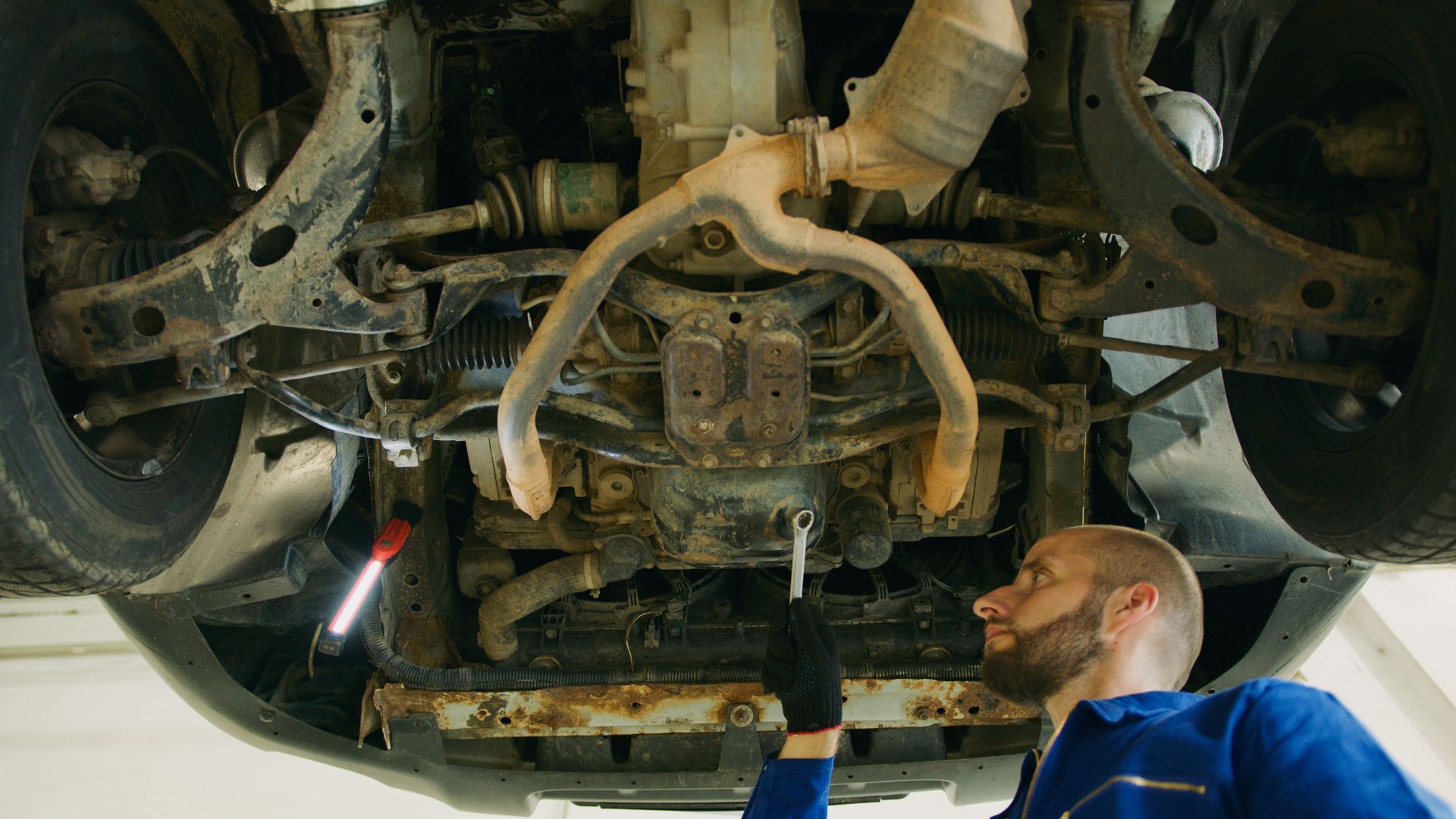
A properly-functioning suspension system is essential for maintaining a comfortable ride, stable handling, and reliable control on the road. Components such as shocks, struts, springs, and control arms work together to absorb bumps and help keep your tires in contact with the pavement. Over time, these parts can wear out, loosen, or become damaged, affecting your vehicle’s performance and safety. At The Organic Mechanic, we provide expert suspension repair in the greater Asheville area. Recognizing the warning signs of suspension trouble can help you seek professional repairs early and avoid more extensive problems. Excessive Bouncing After Bumps If your car continues bouncing after driving over a speed bump or uneven road, worn shocks or struts could be responsible. These components control movement and help stabilize your vehicle after encountering bumps. When they deteriorate, your car may bounce excessively instead of settling quickly. A professional suspension inspection can determine whether worn components need replacement. Uneven Tire Wear Your suspension system helps maintain proper wheel alignment and consistent tire contact with the road. When suspension components become loose or damaged, your tires may wear unevenly. You might notice excessive wear along the inner or outer edges of the tread or irregular patches across the tire surface. Although improper alignment and tire pressure can also contribute to uneven wear, a mechanic can identify whether suspension problems are involved. Unusual Clunking or Knocking Noises Clunking, knocking, or rattling sounds when driving over bumps or turning corners may indicate worn suspension components. Damaged ball joints, deteriorating bushings, and worn sway bar links can create noise as parts move. Ignoring unusual noises can allow minor problems to worsen, so it’s important to schedule an inspection. Difficulty Steering or Handling If your car pulls to one side, wanders while driving straight, or feels unstable when turning, suspension trouble could be contributing to the problem. Tire and alignment issues can produce similar symptoms, making professional diagnosis important. Prompt repairs can help restore stable handling and reduce the risk of losing control. Suspension Repair in Asheville, NC When you need auto repair in Asheville, NC and the surrounding area, contact The Organic Mechanic at (828) 232-8120. At our nearby auto shop, we can expertly take care of your vehicle’s repair and maintenance needs. And we’re proud to provide environmentally-conscious auto repair in Asheville. Feel free to give us a call to make an appointment!
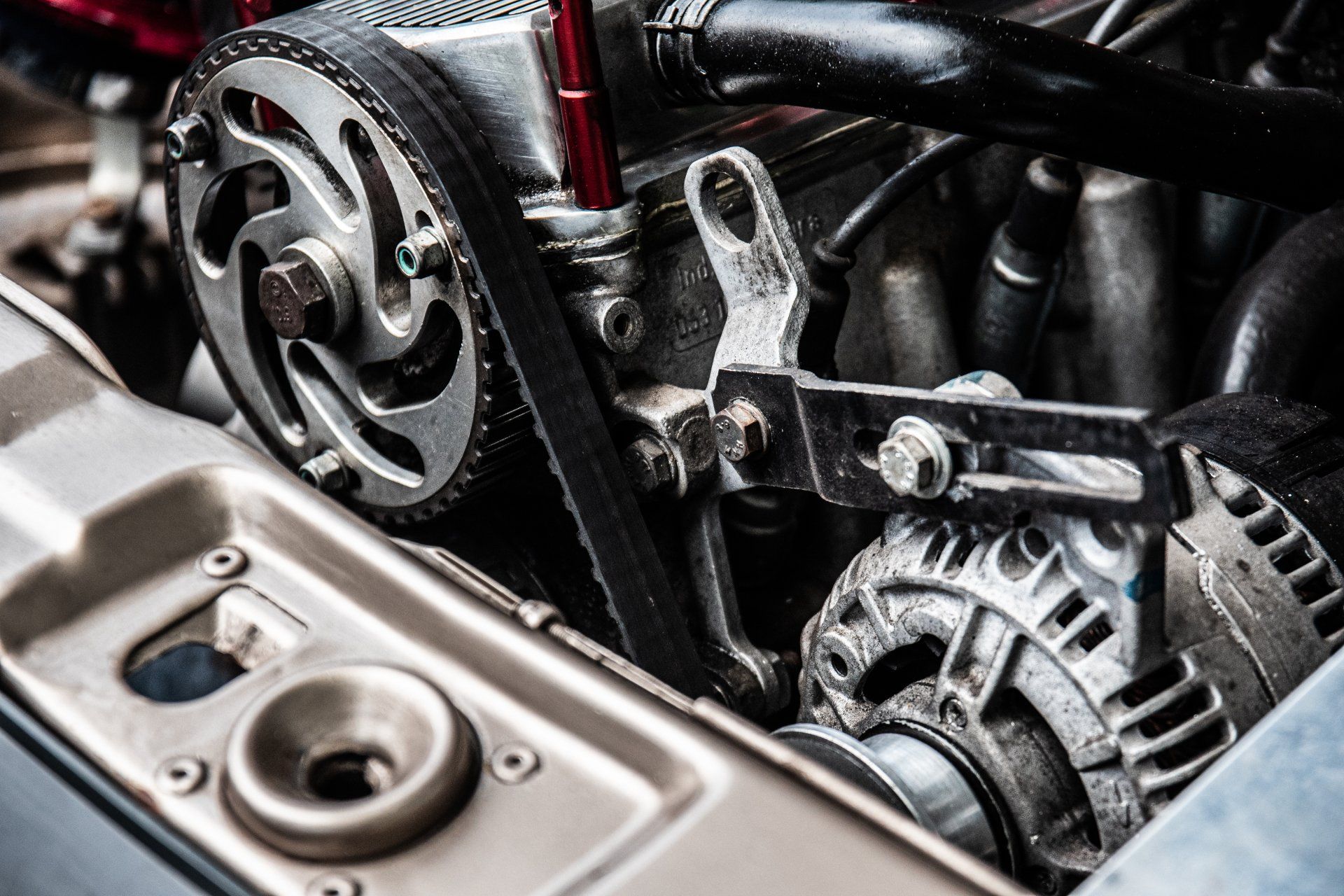
Your vehicle’s alternator plays an essential role in keeping the electrical system operating and maintaining the battery’s charge while the engine is running. When the alternator begins to fail, your vehicle may develop several noticeable warning signs. Ignoring these symptoms could eventually leave you with a vehicle that won’t start. At The Organic Mechanic, we provide expert alternator replacement and auto electric repair in the greater Asheville, NC area. Here are four warning signs of alternator failure. Lights Behaving Erratically Headlights, interior lights, and dashboard lights that become noticeably dim or flicker can indicate an alternator problem. The alternator supplies electrical power to many of your vehicle’s systems while the engine is running. If it is not producing enough power, lights may become weaker or behave inconsistently. Warning Light on the Dashboard Many vehicles have a battery-shaped warning light that can illuminate when the charging system detects a problem. This light doesn’t necessarily mean the battery itself has failed. It can indicate an issue with the alternator, charging system, or another related component. If the warning light appears while driving, having the charging system tested can help determine the underlying cause. Electrical Accessories Work Poorly A failing alternator may have difficulty providing sufficient power for your vehicle's electrical accessories. You might notice that power windows move more slowly, the climate control operates inconsistently, or other electrical features behave differently than usual. Multiple electrical problems occurring at the same time can be a sign that the charging system needs professional attention. Problems Starting the Vehicle Although the battery is responsible for providing power to start the engine, a failing alternator may eventually contribute to starting problems. If the alternator is not properly recharging the battery while you drive, the battery can gradually become discharged. You may encounter slow cranking or eventually a vehicle that will not start at all. Auto Repair in Asheville, NC For expert auto repair in Asheville and the surrounding area, contact The Organic Mechanic at (828) 232-8120. And we’re proud to provide environmentally-conscious auto repair in Asheville. Feel free to give us a call to make an appointment!

Your vehicle's transmission is responsible for transferring power from the engine to the wheels, making it one of the most critical and complex components of your drivetrain. Whether you drive a car, SUV, or pickup truck, transmission repairs can be expensive and time-consuming. Fortunately, many transmission problems can be avoided with proper maintenance and good driving habits. At The Organic Mechanic, our local mechanics provide expert transmission service in the greater Asheville, NC area. Here are four ways to help prevent major transmission issues. Stay Current with Transmission Fluid Service Transmission fluid plays a vital role in lubricating moving parts, reducing friction, controlling heat, and providing the hydraulic pressure needed for smooth gear changes. Over time, the fluid can become contaminated and lose its effectiveness, increasing wear on internal components. Following your manufacturer's recommended transmission fluid service schedule helps keep the transmission properly lubricated and operating efficiently. Check for Fluid Leaks Even a small transmission fluid leak can become a major problem if left unaddressed. Low fluid levels reduce lubrication and cooling, causing excessive heat and accelerated wear inside the transmission. If you notice reddish fluid beneath your vehicle, transmission fluid could be leaking. Catching leaks early can help prevent significant internal damage. Avoid Excessive Heat Heat is one of the biggest enemies of any transmission. Towing heavy loads beyond your vehicle's capacity or driving with low transmission fluid can increase operating temperatures. Excessive heat causes transmission fluid to break down more quickly, reducing its ability to protect internal components. Keeping cooling components in good condition and following recommended towing guidelines can help minimize heat-related wear. Schedule Routine Inspections Regular inspections by a mechanic can identify developing transmission problems before they become major repairs. During routine service, technicians can check the transmission fluid condition and level, inspect for leaks, evaluate shifting performance, and look for early signs of wear. Addressing minor issues promptly often prevents more extensive and expensive transmission damage later. Transmission Service in Asheville, NC For transmission service in Asheville, NC and the surrounding area, contact The Organic Mechanic at (828) 232-8120. At our nearby auto shop, we can expertly address your vehicle’s repair and maintenance needs. And we’re proud to provide environmentally-conscious auto repair in Asheville. Feel free to give us a call to schedule an appointment!